If you milk cows in California, you have probably heard SB 1383 mentioned at meetings, in trade press, or over coffee. Here is what the law actually says, in plain English, without the noise.
What SB 1383 Is
Senate Bill 1383 is a California state law passed in 2016. It targets what regulators call short-lived climate pollutants, and methane is at the top of that list. For the dairy and livestock sector, the law sets one headline requirement: reduce methane emissions to 40 percent below 2013 levels by 2030.
On a dairy, methane comes mainly from two places: the cows themselves, and manure breaking down in storage — especially in open lagoons. Manure management is where the law's practical effect lands, because it is the part of the operation where emissions can be measured, captured, or avoided with known tools.
The Dates That Matter
- 2013 — the baseline year. The 40 percent reduction is measured against this year's emissions.
- 2016 — the law was signed.
- 2024 — the earliest date the law allowed the California Air Resources Board (CARB) to begin regulating manure methane directly, and only after evaluating whether reductions are achievable and whether incentive programs and markets have developed.
- 2030 — the deadline for the 40 percent reduction.
Where Things Stand Today
So far, California's approach has been incentives rather than mandates. The state funds two main programs through the California Department of Food and Agriculture:
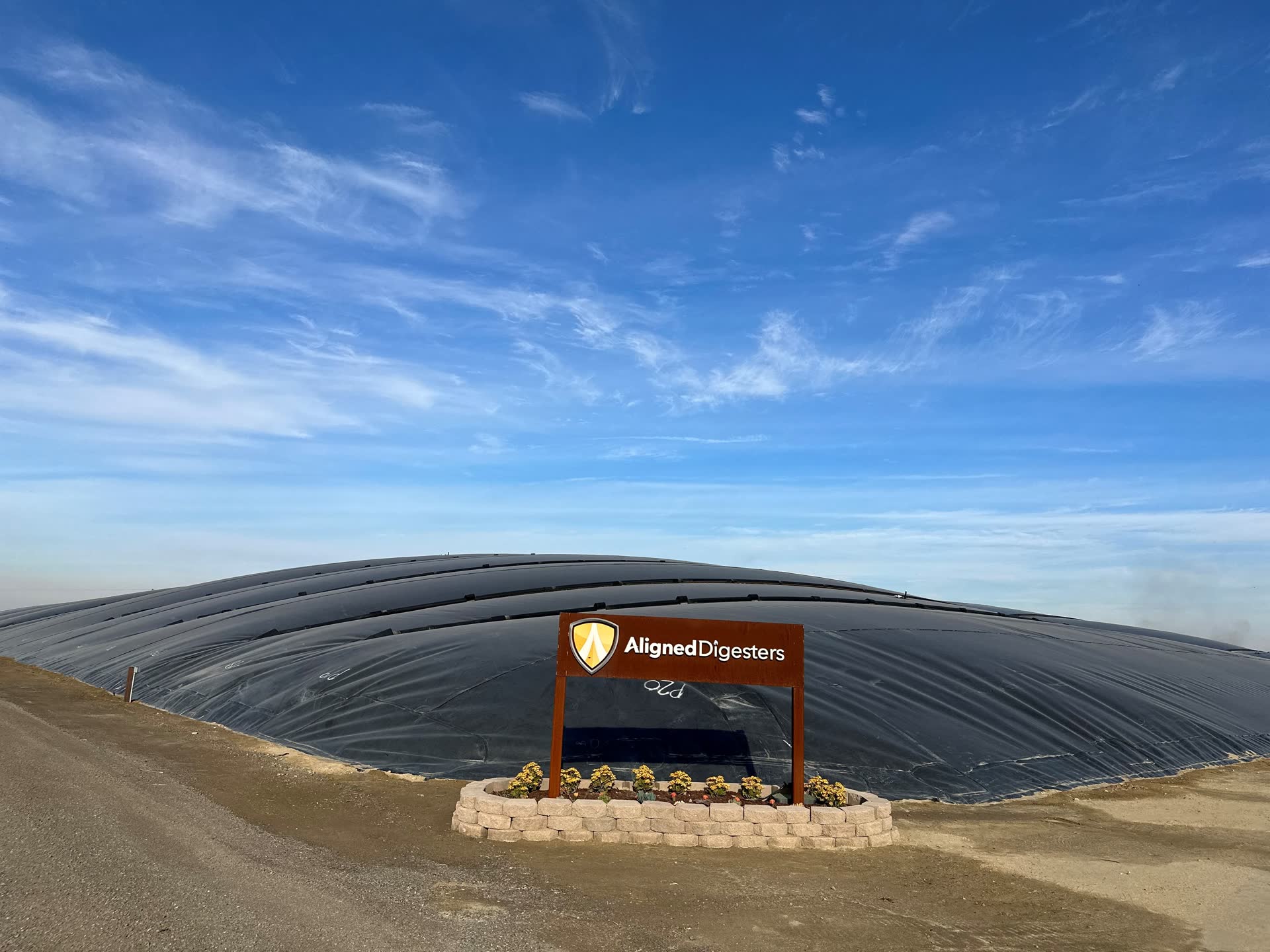
- The Dairy Digester Research and Development Program (DDRDP) helps pay for digesters that capture methane from lagoons and turn it into renewable natural gas. partner dairies, an Aligned Digesters project, received a $3 million DDRDP grant.
- The Alternative Manure Management Program (AMMP) funds non-digester practices — solid separation, converting flush systems to scrape, compost-bedded pack barns, and pasture-based management.
CARB now has the authority to move from incentives to regulation. Whether and when mandatory rules arrive is a decision for the regulators — but the 2030 target is fixed in law, and the state tracks the sector's progress against it.
What Compliance Can Look Like
There is no single required path. The realistic options today:
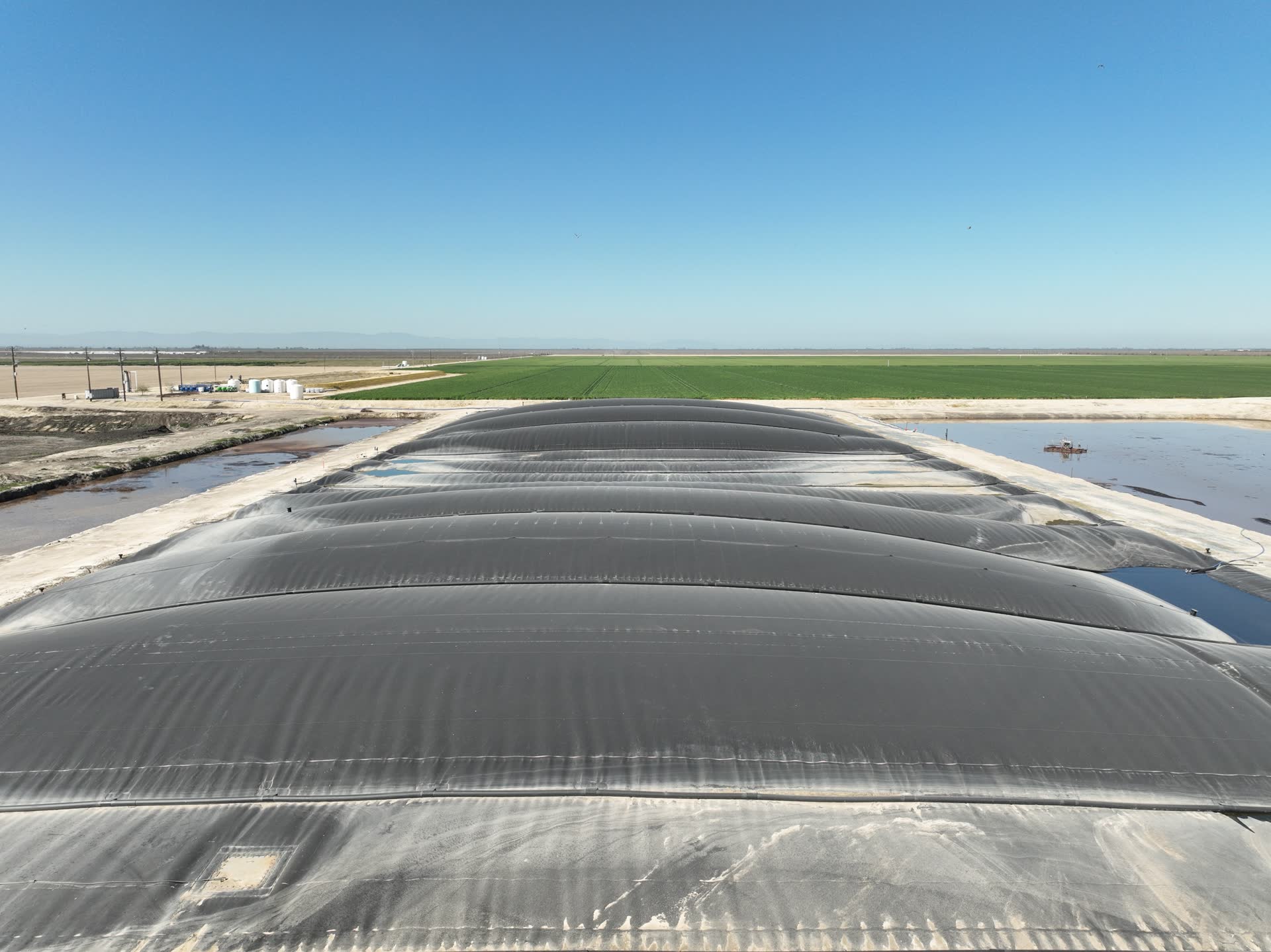
Install a digester. A covered lagoon captures the methane your manure already produces and converts it to fuel. This is the option that turns a compliance question into a revenue stream — and under the model Aligned Digesters runs, the dairy pays nothing. We fund, build, and operate the project, and the dairy shares in the revenue with no capital outlay and no added liability.
Change manure management practices. Separating solids, scraping instead of flushing, or moving toward dry or pasture-based systems reduces the manure sitting in anaerobic lagoons, which reduces methane.
Do nothing yet. That is a real choice, and plenty of dairies are making it. The risk is that if the incentive era gives way to mandates, the dairies that waited will be doing this on the state's timeline instead of their own.
Our View: Join Now, On Your Terms
The reason to look at this before you are required to is simple: today you have leverage. Grant programs are funded, gas markets are paying for captured methane, and developers are competing to partner with dairies. A dairy that engages now sets its own terms. A dairy that waits for a mandate takes whatever terms exist then.
The goal of SB 1383 is a 40 percent cut. The goal of your dairy is to stay profitable and stay in business. A digester is one of the few places those two goals point in the same direction.
If you want a straight answer about what SB 1383 means for your operation, reach out through our contact page or call (559) 420-7243.