Renewable natural gas usually costs more than fossil gas at the meter, and buyers keep signing for it anyway. The reason is the stack of incentives that sits underneath the fuel, and most procurement teams only ever see one layer of it. If you're evaluating RNG for a data center or a corporate carbon target, understanding the whole stack is the difference between a fair contract and an expensive one.
Start with why the money exists
Methane is the target. It traps roughly 28 times more heat than CO2 over a hundred years, and more than that over twenty. Dairy lagoons release it around the clock. California's answer was SB 1383, a law that requires the dairy and livestock sector to cut methane 40% below 2013 levels by 2030.
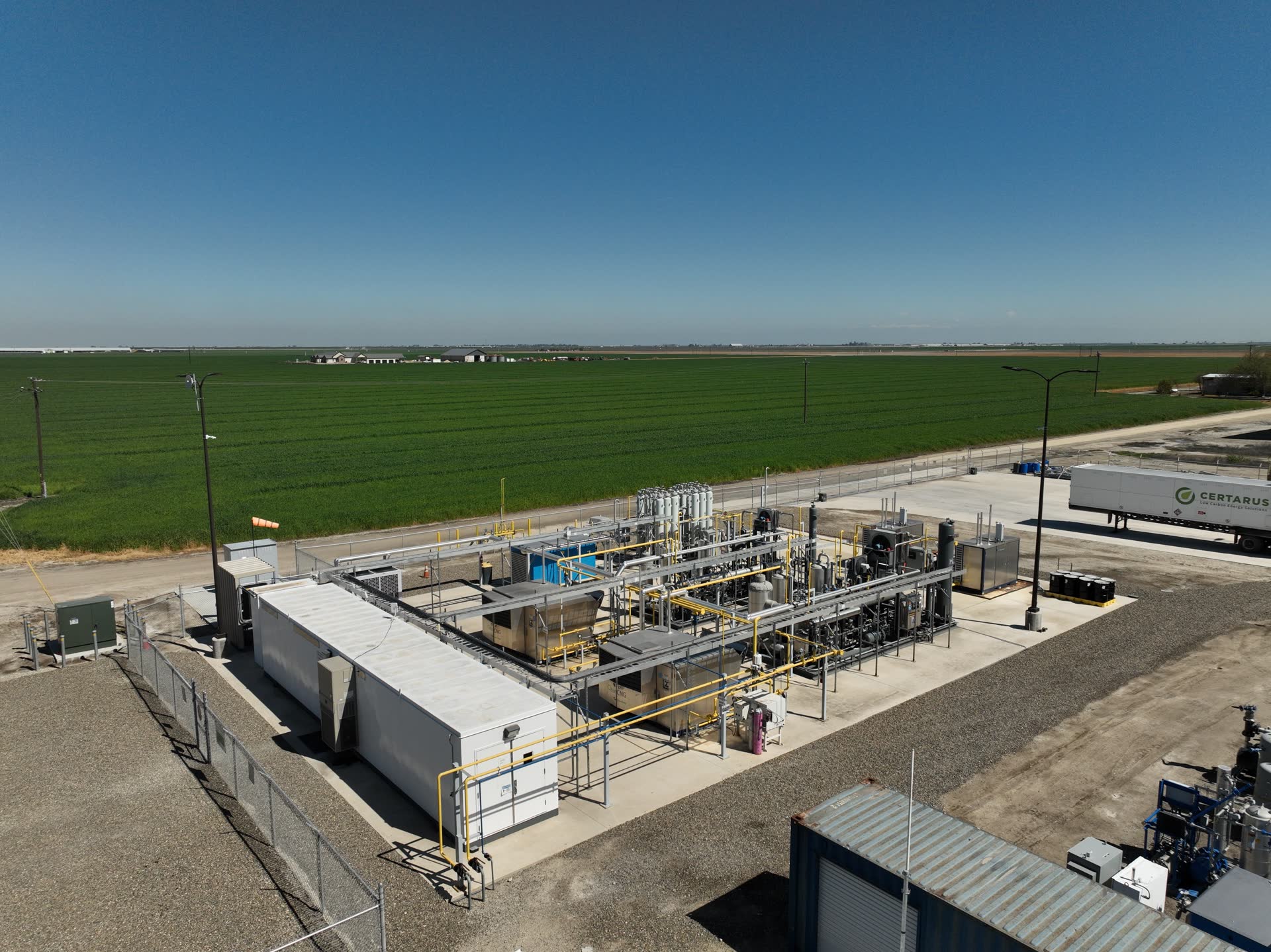
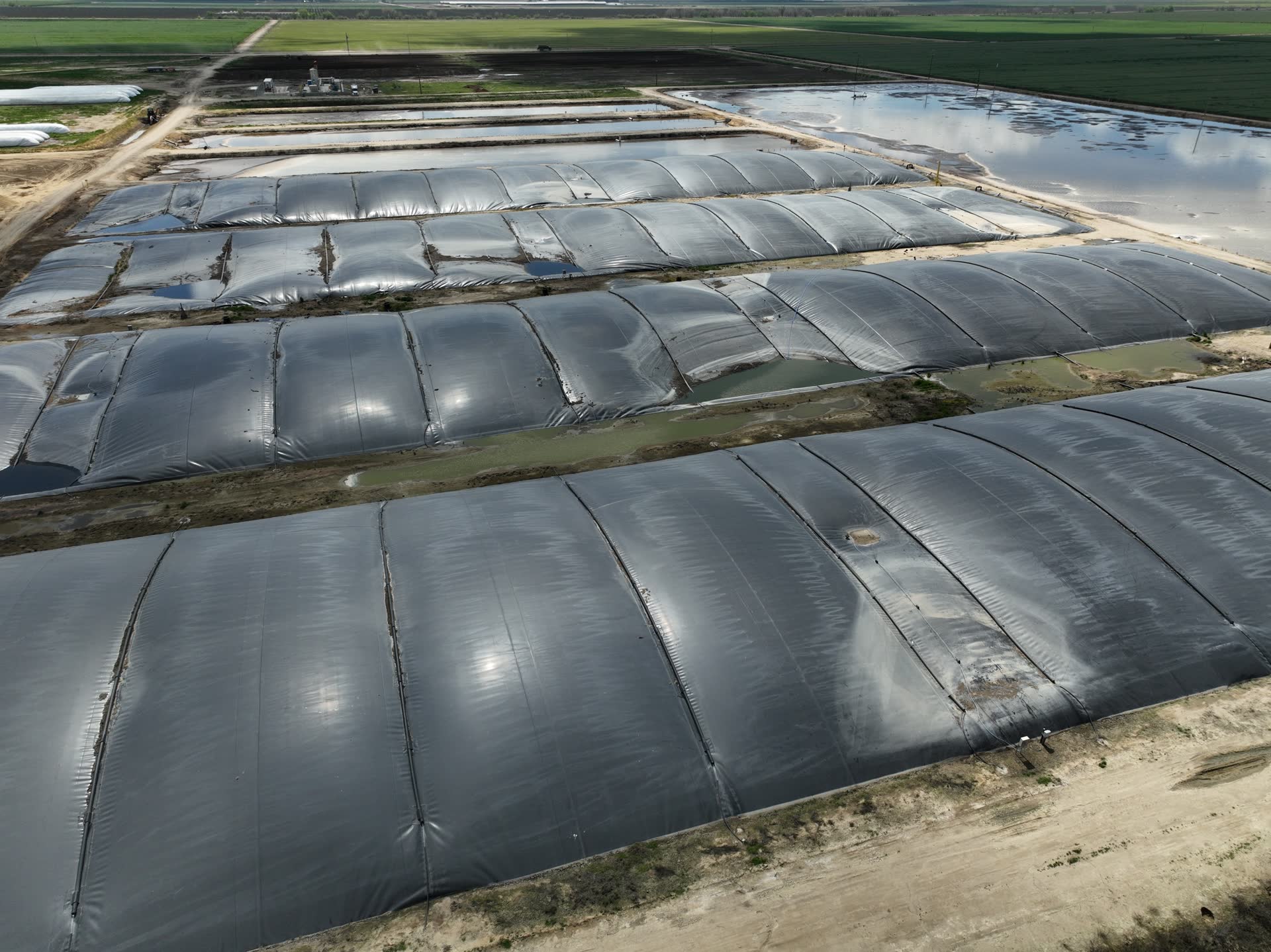
A covered-lagoon digester captures that methane before it reaches the air and conditions it into pipeline-quality fuel. Capture costs real money: earthwork, covers, gas cleanup equipment, daily operation. The incentive programs exist to pay for it. Every layer described below traces back to the same physical event, methane that never reached the atmosphere. Hold onto that, because it explains why verification decides what any of this is worth.
Layer one: LCFS credits
CARB's Low Carbon Fuel Standard scores every transportation fuel sold in California on lifecycle carbon intensity, measured in grams of CO2e per megajoule. There's an annual benchmark. Fuels that score below it generate credits. Fuels above it generate deficits, and deficit holders buy credits to square up. That's the whole market.
Carbon intensity is where dairy RNG separates from everything else. Certified dairy RNG pathways score below zero, around -400 gCO2e/MJ on public record, and pathways from Aligned-built projects sit in that range. The score is negative because avoided methane counts against the fuel's footprint. Burning the gas emits CO2 like any combustion does, but capturing it prevented a far more potent emission, and the lifecycle math nets out well below zero.
Two consequences follow. First, credit generation scales with the distance between a fuel's score and the benchmark, so a deeply negative fuel earns far more per unit of energy than one that's merely a little cleaner. Most of the value rides on that gap. Second, LCFS credits attach to low-CI fuel used in California transportation. Gas that fuels trucks can earn LCFS value. Attributes bought toward a corporate target run through a different channel, which is the next layer.
Layer two: the voluntary market
A data center in Santa Clara can't take physical delivery from a dairy in the Central Valley. Book-and-claim exists for exactly this case. It's the standard mechanism for buying a fuel's environmental attributes when the molecule can't physically reach you. The gas is metered at the project, the attributes are tied to that specific project, and they're retired once so no one else can claim them. Voluntary buyers use those verified attributes toward corporate targets, and the accounting rests entirely on that metering and retirement trail.
There's also a physical route some buyers overlook. RNG runs in existing gas equipment (pipelines, generators, gensets) with no retrofits, and RNG-fueled generation is dispatchable. For a site weighing the carbon and local-air cost of diesel backup, natural-gas gensets running RNG cut the lifecycle footprint. And the gas itself moves by pipeline or by tanker, what the industry calls a virtual pipeline, so getting fuel to a genset is a logistics question rather than a hypothetical.
Why the paper trail matters
Every layer of the stack pays for the same underlying thing: methane that verifiably didn't reach the atmosphere. So the paper trail is the product. Before you sign anything, you should be able to see:
- The certified pathway or equivalent carbon-intensity documentation for the specific project
- Metering data showing actual gas produced, not modeled estimates
- Retirement records proving each attribute was claimed once and only once
- Independent public listings confirming the project exists and operates
On that last point: Aligned-built digesters are listed in the EPA's national livestock digester database, and federal records credit the operating projects with over 125,000 metric tons of CO2e avoided per year. That is the kind of third-party verification a procurement team can hand straight to an auditor. If book-and-claim or CI scoring is new to your team, our learn page walks through the mechanics from the ground up.
The caveat, stated plainly
Incentive programs get amended. Credit markets move. Whether a particular structure fits your company depends on your tax position and your reporting framework, and neither is something a gas producer should be advising you on. Confirm the specifics with your own tax and legal people before you build a budget on them.
What a producer owes you is different, and you should hold them to it: certified pathways, clean meter data, and retirement records that survive an audit. Ask for those first. The advisor conversations go much faster when the documentation is already on the table.
Who you'd be dealing with
Aligned Digesters is a family company in Madera, California, started in 2017 by dairy people. We build covered-lagoon digesters on Central Valley dairies as a licensed California contractor (CSLB #1065612), operate them every day, and haul the gas with our own tankers, more than 12,000 loads a year. One of our covered lagoons holds 14 million gallons, among the largest in California. The reason to mention any of this: when you ask the verification questions above, you want answers from the people who read the meters, not from a desk two steps removed from the project.
If your team is mapping RNG incentives against a corporate target or a backup-power decision, we'll walk you through what the attributes from a working digester look like, project by project. See how to buy it.